


Easter in Cyprus: Traditions and Food
Easter, or 'Pascha' as it's known locally, is the most significant religious holiday in Cyprus, celebrated with deep reverence, vibrant traditions, and an abundance of special foods. It's a time when families gather, churches come alive, and the island embraces a period of reflection followed by joyous celebration.
The Significance of Easter in Cyprus
Easter in Cyprus is a profound and deeply cherished celebration, far exceeding Christmas in its cultural and religious importance. Rooted in the Greek Orthodox faith, the holiday season encompasses a period of fasting, solemn church services, and culminates in a spectacular feast. Visitors during this time will witness a unique blend of ancient customs and heartfelt community spirit.
Holy Week: A Journey of Reflection
The week leading up to Easter Sunday, known as Holy Week, is marked by specific traditions and church services. Each day holds particular significance, with congregations often attending evening services. On Holy Thursday, red eggs are dyed, symbolizing the blood of Christ and rebirth. These eggs are central to the Easter Sunday feast and a traditional game called 'tsougrisma', where participants tap their eggs against others, with the owner of the last uncracked egg declared the winner.
Good Friday is a day of mourning, with church bells tolling mournfully. In the evening, the Epitaphios (an elaborately decorated bier representing Christ's tomb) is adorned with flowers and carried in a solemn procession through the streets of towns and villages across the island. This moving spectacle is a powerful display of faith and community.

Holy Saturday culminates in the Anastasi (Resurrection) service, held late at night. Churches become packed, and at midnight, the priest emerges from the altar, proclaiming 'Christos Anesti!' (Christ is Risen!). Parishioners light candles from the Holy Light, brought from Jerusalem, and carry them home, careful to keep the flame alight. This flame is traditionally used to make the sign of the cross with soot above the front door, a blessing for the household.
Easter Sunday: A Feast of Flavours
After the solemnity of Holy Week, Easter Sunday is a day of joyous celebration and feasting. The 40-day Lenten fast is broken, and families gather for elaborate meals. The aroma of roasting lamb fills the air, as 'souvla' (large pieces of meat, typically lamb or goat, slow-roasted on a spit over charcoal) is the undisputed star of the Easter table. This is a communal affair, often prepared outdoors, with family members taking turns to tend the spit.
Alongside souvla, other traditional dishes grace the table. 'Flaounes' are a quintessential Easter delicacy – these cheese-filled pastries, often flavoured with mint and mahlepi, are prepared in large batches in the days leading up to Easter and are enjoyed throughout the holiday period. 'Koulourakia' (butter cookies) and 'tsoureki' (a sweet, braided brioche-like bread, often flavoured with mahlepi and mastic, sometimes decorated with a red egg) are also popular sweet treats.
The cracking of the red eggs (tsougrisma) is a lively tradition that precedes the meal, bringing laughter and friendly competition to the table. Local wines and spirits flow freely, complementing the rich food and festive atmosphere.
Experiencing Easter in Cypriot Towns and Villages
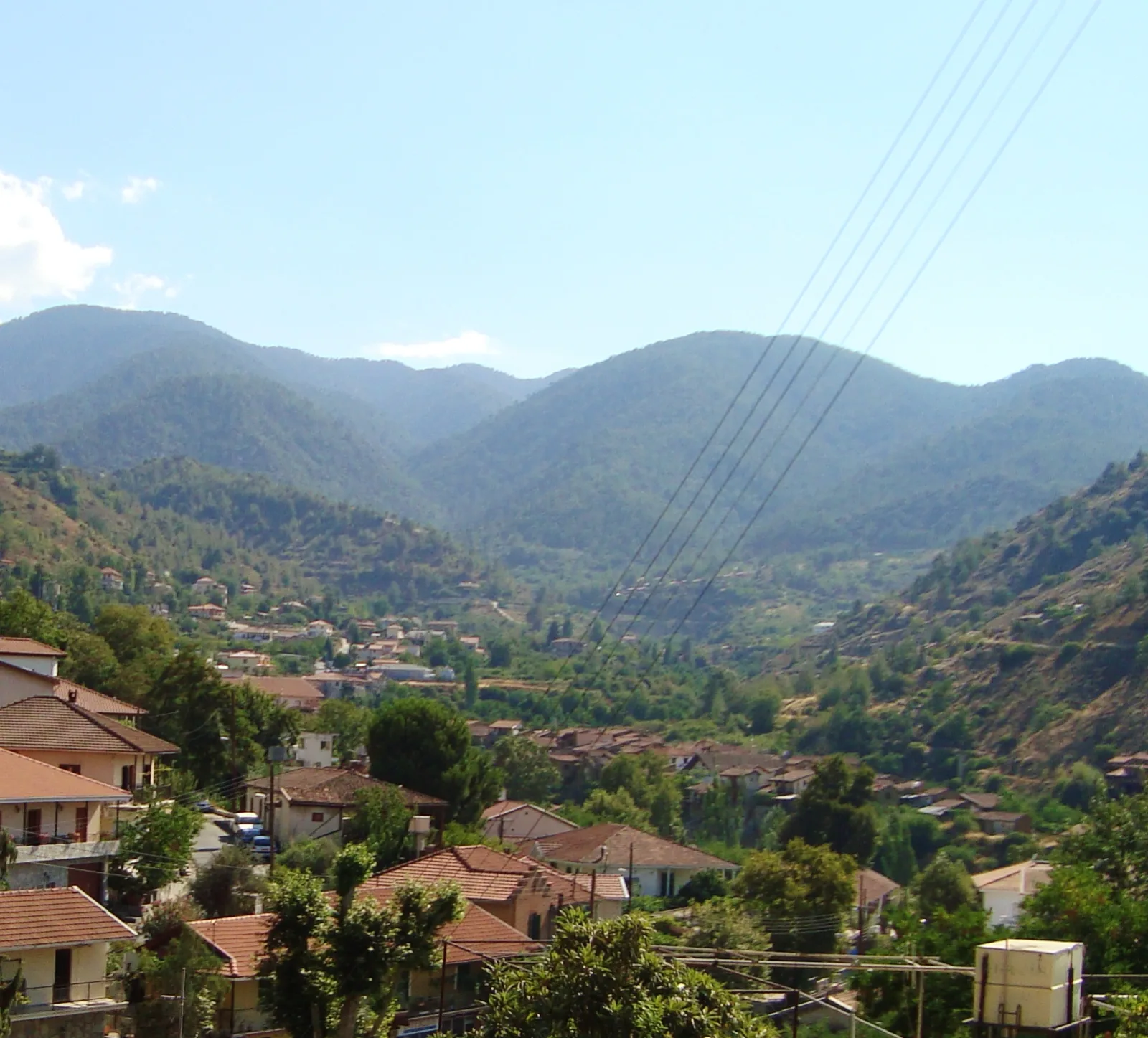
To truly immerse yourself in Cypriot Easter traditions, visiting a village can offer an authentic experience. Many villages, particularly in the Troodos Mountains, maintain strong community traditions. For example, Omodos, with its historic monastery, or Kakopetria, known for its traditional architecture, provide picturesque settings for observing the processions and celebrations. Larger towns like Limassol, Larnaca, and Paphos also host significant church services and Epitaphios processions, often drawing large crowds to their main cathedrals.
Coastal areas like Ayia Napa and Protaras, while popular tourist destinations, also have local churches where you can observe services and witness community participation. Even in Nicosia, the capital, you can find numerous churches offering the full Holy Week experience.
Post-Easter Celebrations: 'Diakainisimi'
The celebrations don't end on Easter Sunday. The week following Easter is known as 'Diakainisimi' or Bright Week, and it's still considered part of the festive period. Many people take time off work, and villages often hold local fairs or events. It's a time for continued family visits and enjoying the spring weather.
Practical Tips for Visiting During Easter
- Book Accommodation Early: Easter is a peak travel time for locals and visitors alike. Book flights and accommodation well in advance, especially if you plan to stay in popular areas or traditional villages.
- Respect Local Customs: Dress modestly when visiting churches, especially during Holy Week services. Be mindful of the solemnity of Good Friday.
- Check Opening Hours: Many shops, banks, and some businesses may have reduced hours or be closed on Good Friday, Easter Sunday, and Easter Monday. Plan your shopping and activities accordingly.
- Transportation: Public transport schedules may be altered during the holiday period. If you're renting a car, book it early.
- Participate: Don't be shy! If you're invited to join a family meal or a village celebration, embrace the opportunity to experience Cypriot hospitality firsthand.
Plan your trip to Kakopetria
Compare prices with KAYAKYou'll be taken to KAYAK to compare prices. We may earn a commission at no extra cost to you.
Plan your trip to Kakopetria
🏨Find hotels on Booking.comBooking.comAffiliate links — we may earn a small commission.
Deals from our travel partners
 AC Omonia vs Besiktas JK Tickets - GSP Stadium, 2027-01-28Sports Events 365 · from 244 EUR
AC Omonia vs SL Benfica Tickets - GSP Stadium, 2026-10-22Sports Events 365 · from 244 EUR
Pafos FC vs Riga FC Tickets - Alphamega Stadium (Limassol Arena), 2026-10-22Sports Events 365 · from 76 EUR
Pafos FC vs FC Midtjylland Tickets - Alphamega Stadium (Limassol Arena), 2026-11-26Sports Events 365 · from 92 EUR
AC Omonia vs Besiktas JK Tickets - GSP Stadium, 2027-01-28Sports Events 365 · from 244 EUR
AC Omonia vs SL Benfica Tickets - GSP Stadium, 2026-10-22Sports Events 365 · from 244 EUR
Pafos FC vs Riga FC Tickets - Alphamega Stadium (Limassol Arena), 2026-10-22Sports Events 365 · from 76 EUR
Pafos FC vs FC Midtjylland Tickets - Alphamega Stadium (Limassol Arena), 2026-11-26Sports Events 365 · from 92 EUR
Affiliate links — we may earn a commission at no extra cost to you.
Related guides
Top Things to Do in Lefkara
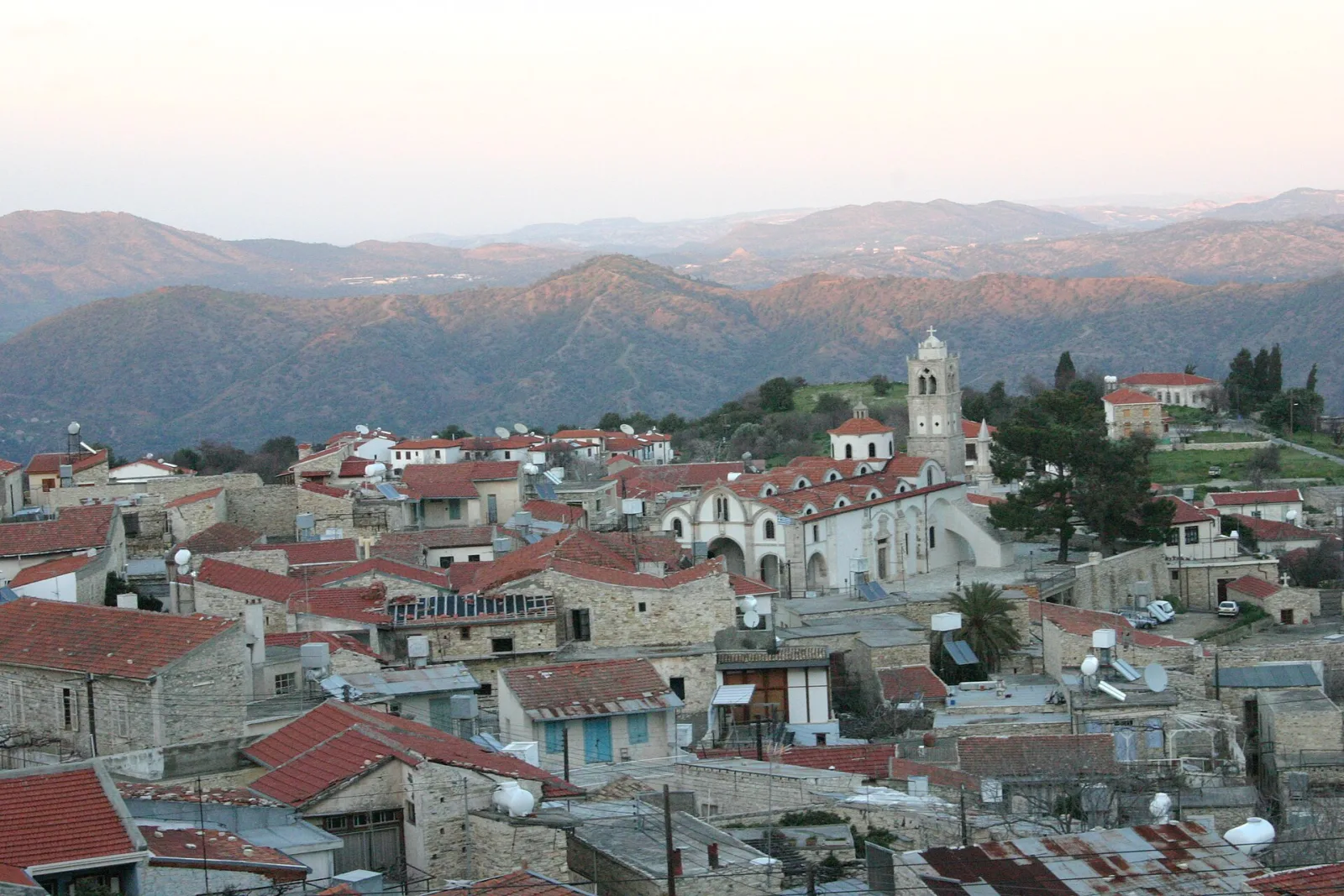
Lefkara, a picturesque village nestled in the Larnaca district, offers a captivating glimpse into Cyprus's rich artisan traditions. Famous for its delicate 'lefkaritika' lace and intricate silverwork, this charming destination invites visitors to step back in time.
Larnaca Airport to Limassol, Paphos and Nicosia: All the Options
Navigating your arrival at Larnaca International Airport (LCA) and planning your onward journey to key Cypriot cities like Limassol, Paphos, or Nicosia is straightforward with various transport options available. This guide outlines the most practical ways to reach your destination.
How Much Does a Trip to Cyprus Cost? A Practical Budget Guide
Understanding the potential costs involved is key to planning a stress-free holiday. This guide provides a realistic overview of expenses for a trip to the Republic of Cyprus.
